
The People
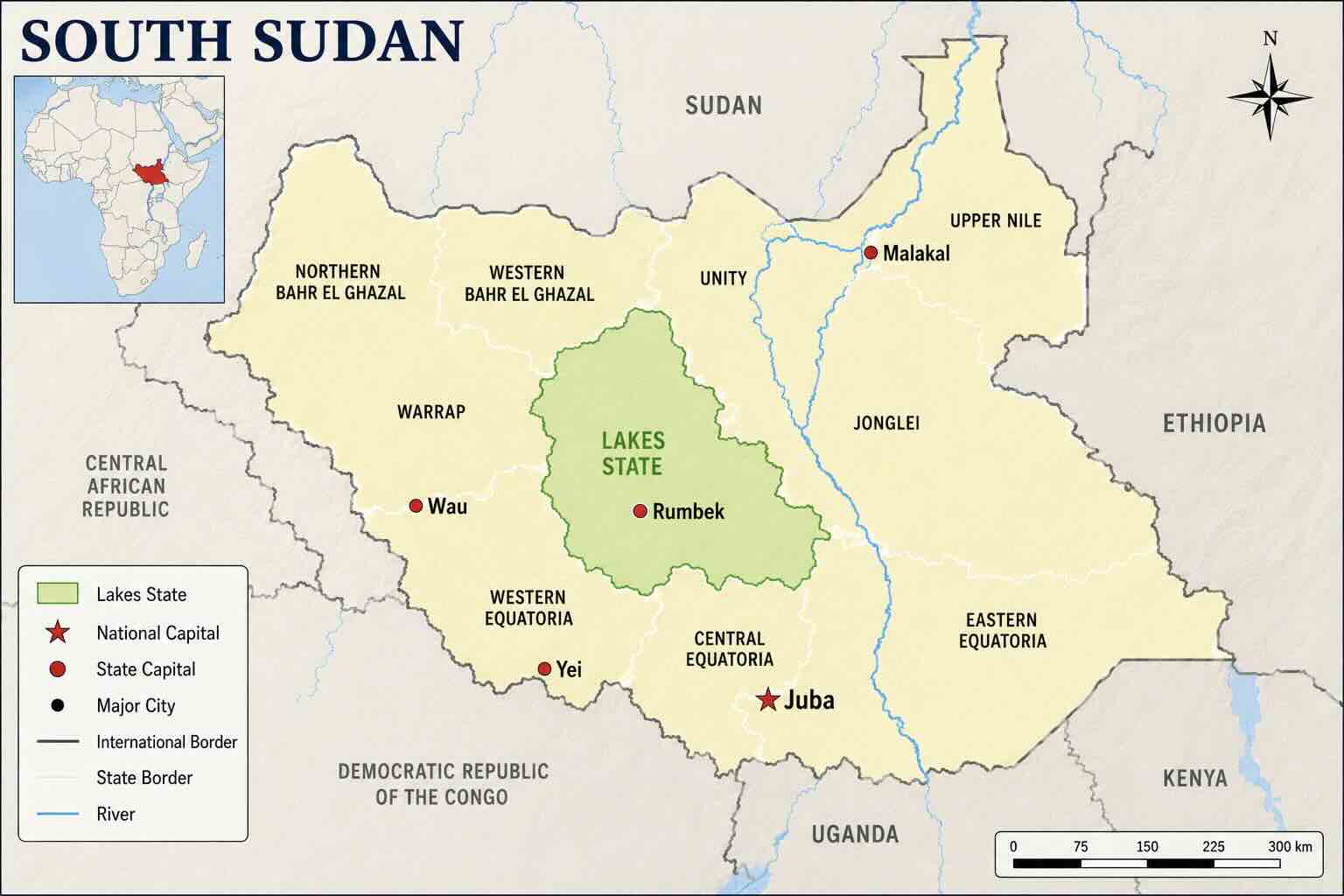
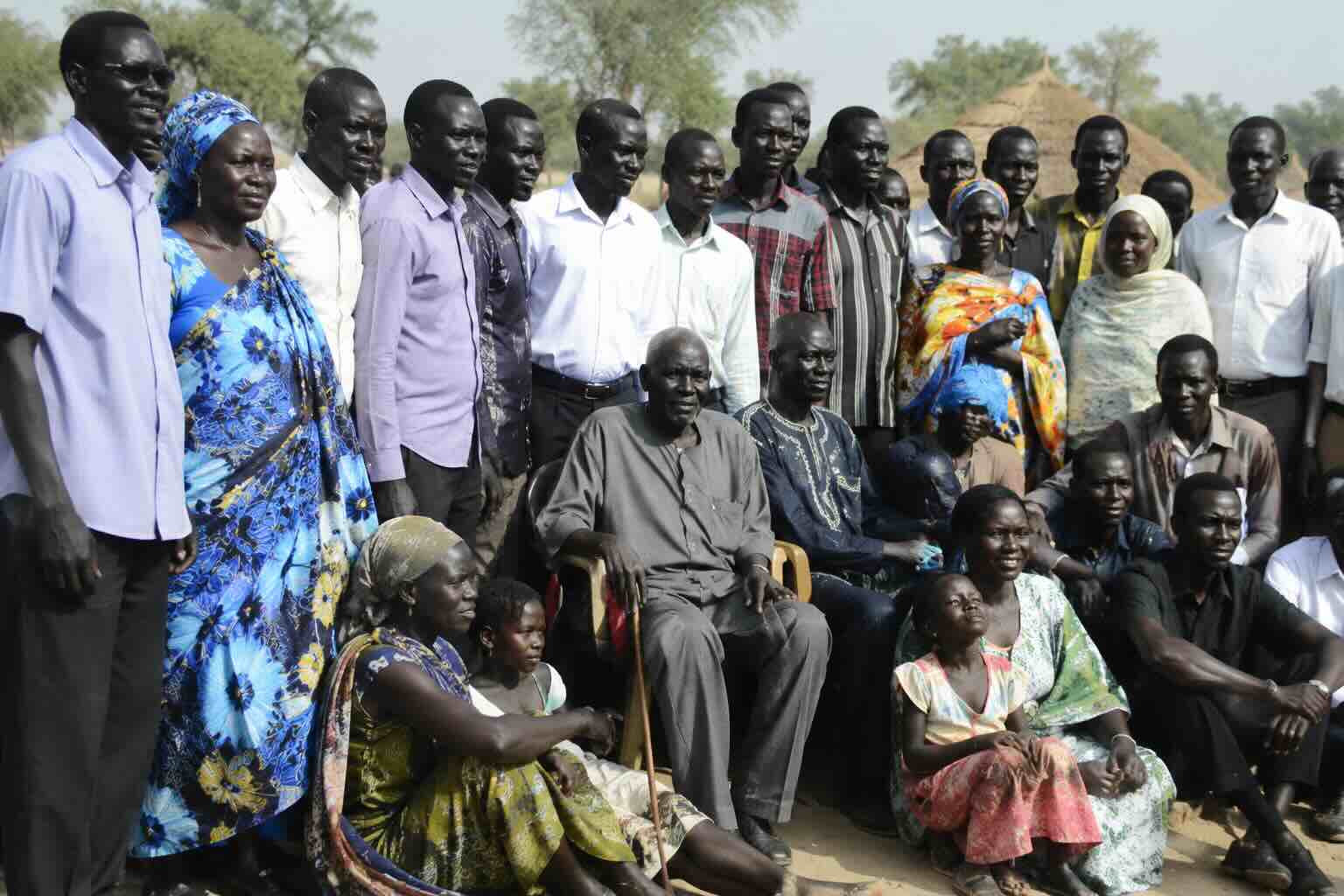
The Dinka people are the largest ethnic group in South Sudan and are especially prominent in Lakes State, where communities have lived for generations among the rivers, grasslands, and cattle camps of central South Sudan. Traditionally, the Dinka are a Nilotic people whose way of life has been closely connected to cattle, family, land, and clan relationships. Cattle are not merely economic possessions among the Dinka; they are deeply woven into social identity, marriage customs, songs, poetry, and community life. Historically, the Dinka experienced repeated hardships, including slave raids during earlier centuries, conflict with northern Sudan, famine, displacement, and the devastating civil wars that eventually led to the independence of South Sudan in 2011. Despite these struggles, Dinka communities have shown remarkable resilience, preserving strong family bonds, oral traditions, and communal values even during periods of war and migration.
The Language
The Dinka language, often referred to as Thuɔŋjäŋ (or simply “Dinka”), belongs to the Western Nilotic branch of the Nilo-Saharan language family. It is not a single uniform dialect but a cluster of related dialects spoken across different regions, including those of Lakes State. In many communities, Dinka remains the primary language of the home, village life, storytelling, worship, and traditional ceremonies, even while Arabic and English are also used for education, trade, and government. Oral communication has historically been central to Dinka culture. Songs, proverbs, praise poetry, storytelling, and public speaking are highly valued skills. This strong oral tradition has also made Bible storying, oral discipleship, and community-centered worship especially meaningful in many Dinka churches.
Their Faith(s)
Christianity
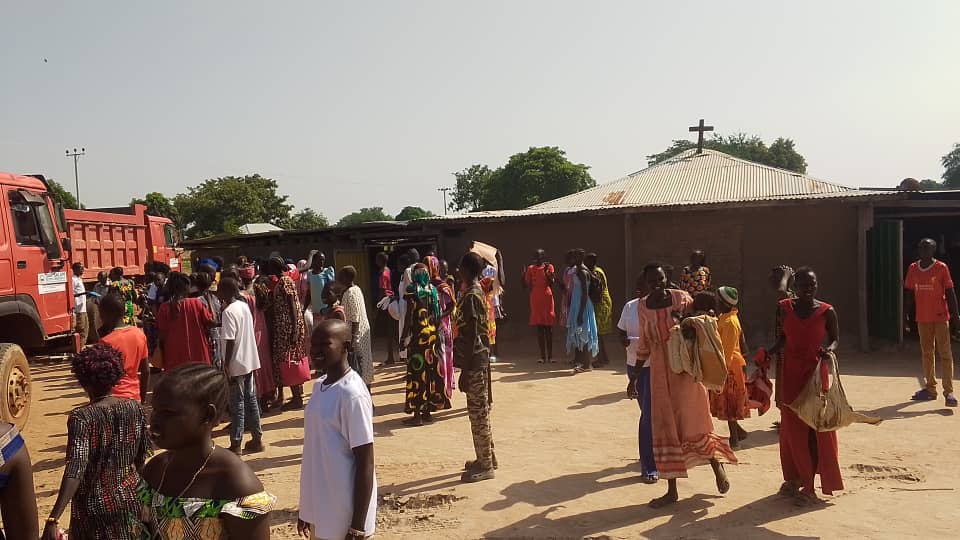
Christian faith has grown deeply among the Dinka over the last century, especially through Anglican, Catholic, Presbyterian, Pentecostal, and Baptist mission efforts. Today many Dinka believers see Christianity not as a foreign religion but as an essential part of their identity and hope. Worship among Dinka Christians is often deeply participatory and emotionally expressive, marked by strong congregational singing, rhythmic movement, testimony, prayer, and community involvement. The long years of war, displacement, and suffering have also shaped Dinka theology in profound ways. Themes such as endurance, reconciliation, peace, forgiveness, and dependence upon God are often emphasized in preaching and worship. In many places, the church has become not only a spiritual center but also a place of education, conflict mediation, humanitarian aid, and community rebuilding.
Traditional Religion
Traditional religion among many Dinka communities in South Sudan continues to influence daily life and cultural identity, even among people who now identify as Christians or Muslims. Traditional Dinka belief centers on a high creator God often referred to as Nhialic, who is understood as the source of life, rain, fertility, and moral order. Alongside belief in Nhialic, many communities maintain traditional practices connected to ancestors, clan spirits, sacred places, blessings, curses, sacrifice, and spiritual mediation through elders or ritual specialists. Cattle remain deeply connected to both social and spiritual life, and ceremonies involving cattle may carry religious as well as cultural significance. In contemporary Dinkaland, especially in rural areas, Christianity and traditional beliefs sometimes exist side by side, creating a blended religious environment in which church worship, prayer, and Bible teaching interact with older customs concerning protection, healing, reconciliation, and communal identity.
Islam
Islam has historically had less influence in many parts of Dinkaland than in northern Sudan, where Islam has long been the dominant religion. Among the Dinka of South Sudan, especially in regions such as Lakes State, Christianity and traditional religious practices have generally remained more culturally influential than Islam. During the long civil wars between northern and southern Sudan, many southern communities came to associate Islam with the political and military dominance of the Khartoum-based northern government, which contributed to resistance toward Islamic expansion in some areas. While Muslim communities and Islamic influences are still present in South Sudan—particularly in urban centers, trade networks, and among some ethnic groups—the practice of Islam among the Dinka is relatively limited and, in many rural Dinka areas, appears to be less influential today than during earlier decades of northern political control. Christianity, especially in evangelical, Catholic, Anglican, and Pentecostal forms, has continued to grow and now shapes much of the public religious life of many Dinka communities.
Christian Missionary Work
Southern Baptist work in Dinkaland, especially in Lakes State, is relatively recent compared to the earlier Anglican and Catholic missionary presence in South Sudan, but it has grown steadily during the years surrounding and following South Sudan’s independence. Earlier Christian mission work among the Dinka was pioneered largely by the Church Missionary Society beginning in the early 1900s at places such as Malek near Bor, where Anglican missionaries translated Scripture, developed Dinka-language materials, and established schools and churches. Catholic and Presbyterian missions also contributed significantly to the spread of Christianity throughout southern Sudan during the twentieth century.
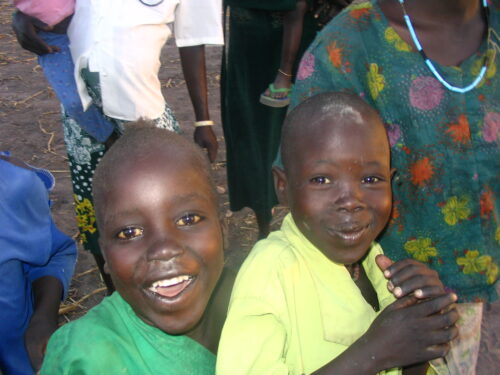
Baptist work connected to Southern Baptist and Baptist-related ministries began developing more visibly in the late 1990s and early 2000s, especially during the long years of civil war, displacement, and refugee migration. According to Baptist historical research within South Sudan itself, Baptist churches began forming in places such as Nimule around 2001, eventually leading to the formation of a national Baptist body in Rumbek in 2007 called the “Baptist Church of Sudan,” later renamed the “Baptist Convention of South Sudan” after independence in 2011. Rumbek, located in Lakes State, became an important organizational center for Baptist work because of its strategic location in the heart of Dinkaland and its accessibility during periods of conflict and displacement.
Southern Baptist and Baptist-affiliated mission efforts in Dinkaland have generally emphasized:
- evangelism and church planting,
- Bible teaching and discipleship,
- leadership training for indigenous pastors,
- oral Bible storying,
- trauma healing and reconciliation,
- and humanitarian assistance connected to war relief, education, water projects, and community development.
Much of the work has depended upon partnerships between South Sudanese Baptist leaders and international Baptist organizations, churches, and mission agencies. During the civil wars and refugee crises, Baptist ministries expanded not only inside South Sudan but also among South Sudanese refugee communities in Uganda, Kenya, and Ethiopia.
In Lakes State and surrounding Dinka regions, Baptist churches have often operated within a broader Christian environment already influenced by Anglican, Catholic, and Pentecostal traditions. Baptist distinctives such as believer’s baptism, congregational church governance, expository Bible preaching, evangelism, and discipleship training have gradually become more established through local leadership development and church planting networks. The growth of Christianity among the Dinka has also been strengthened by the translation of Scripture and worship materials into various Dinka dialects and by the highly oral and communal character of Dinka culture.
Today Baptist work in Dinkaland continues under difficult conditions that include poverty, limited infrastructure, political instability, tribal conflict, and humanitarian challenges. Yet Baptist churches and ministries remain active in evangelism, leadership development, education, reconciliation, and community support. In many areas of Lakes State, the church has become one of the primary institutions helping communities rebuild social stability, encourage peace, and nurture a younger generation of Christian leaders.
A Mighty Movement of God
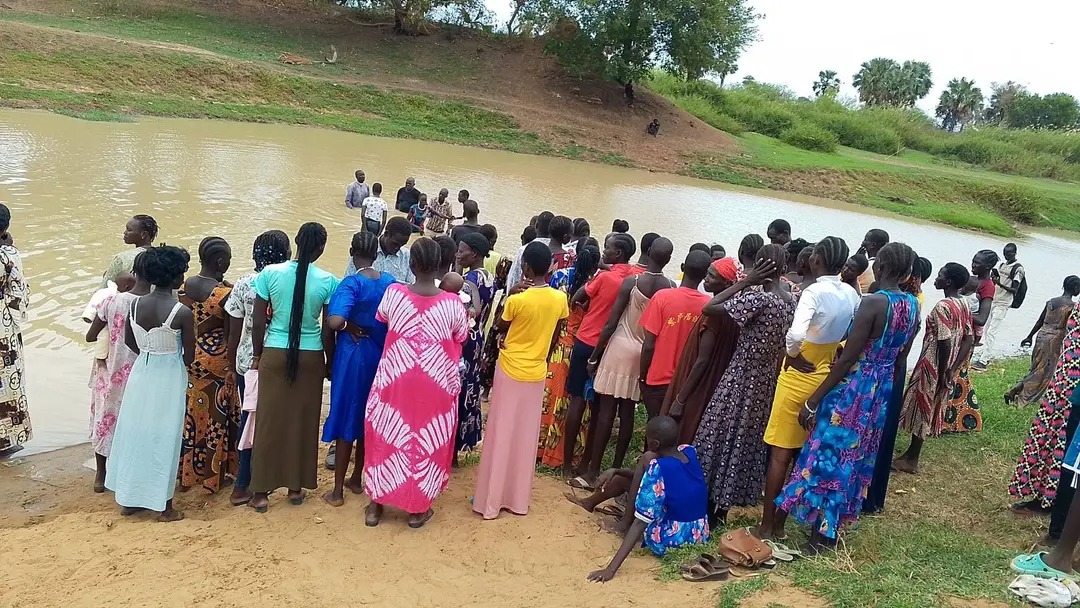
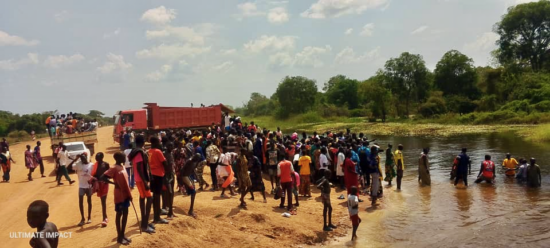
Since the turn of the 21st century, a spiritual awakening has broken out among the Dinka people, particularly among Baptists, Pentecostals and to a lesser extent, Adventists. Interest began to grow in the use of Bible storying and other related communication strategies. These methods had been taught in Dinkaland beginning in the 1990s by Southern Baptist and other missionaries, but it was not fully embraced until after 2000. Between 2000 and 2024 the gospel’s influence gradually increased. In 2024, under the leadership of Dinka Baptist church planters and pastors in Akot and Rumbek, Paloch, Panjieng, and other villages, a huge movement of God broke out. Since 2024, more than 4000 new believers have been baptized. More than 100 churches started. Pastoral leaders have been appointed in each of the churches. Every new believer is trained to multiply new disciples of Jesus Christ using Zúme discipleship training. The movement is continuing well into 2026, with 100-200 new believers baptized each month, usually in the River Bar Naam.
The Future
The future of the Dinka people in Lakes State carries both serious challenges and significant hope. Ongoing concerns include poverty, political instability, limited infrastructure, cattle-related conflict, lack of medical care, and educational shortages. Climate pressures and economic instability also affect rural communities. Yet the Dinka people possess strong communal structures, deep spiritual vitality, and a younger generation increasingly connected to education, global Christianity, and international partnerships. Many Dinka Christians envision a future in which faith, reconciliation, education, agriculture, and servant leadership help rebuild both Lakes State and the nation of South Sudan. Their story is one of endurance through suffering, preservation of identity through change, and continuing hope for peace, stability, and spiritual renewal.
Months of Hunger
Each year during the months of June to September, supplies of food run out in Dinkaland. Known as the Months of Hunger, the resulting famine sometimes is caused by drought, sometimes by floods. The six million citizens of Lakes State find themselves in danger of starvation. The famine does not abate until the fall crops are harvested beginning in September. In recent decades international relief agencies and NGOs have brought in supplies of rice, sorghum, peanuts and other staple food items to help alleviate the shortages, but in recent years, global warming, war,international politics and other issues have caused a precipitous decline in donations.
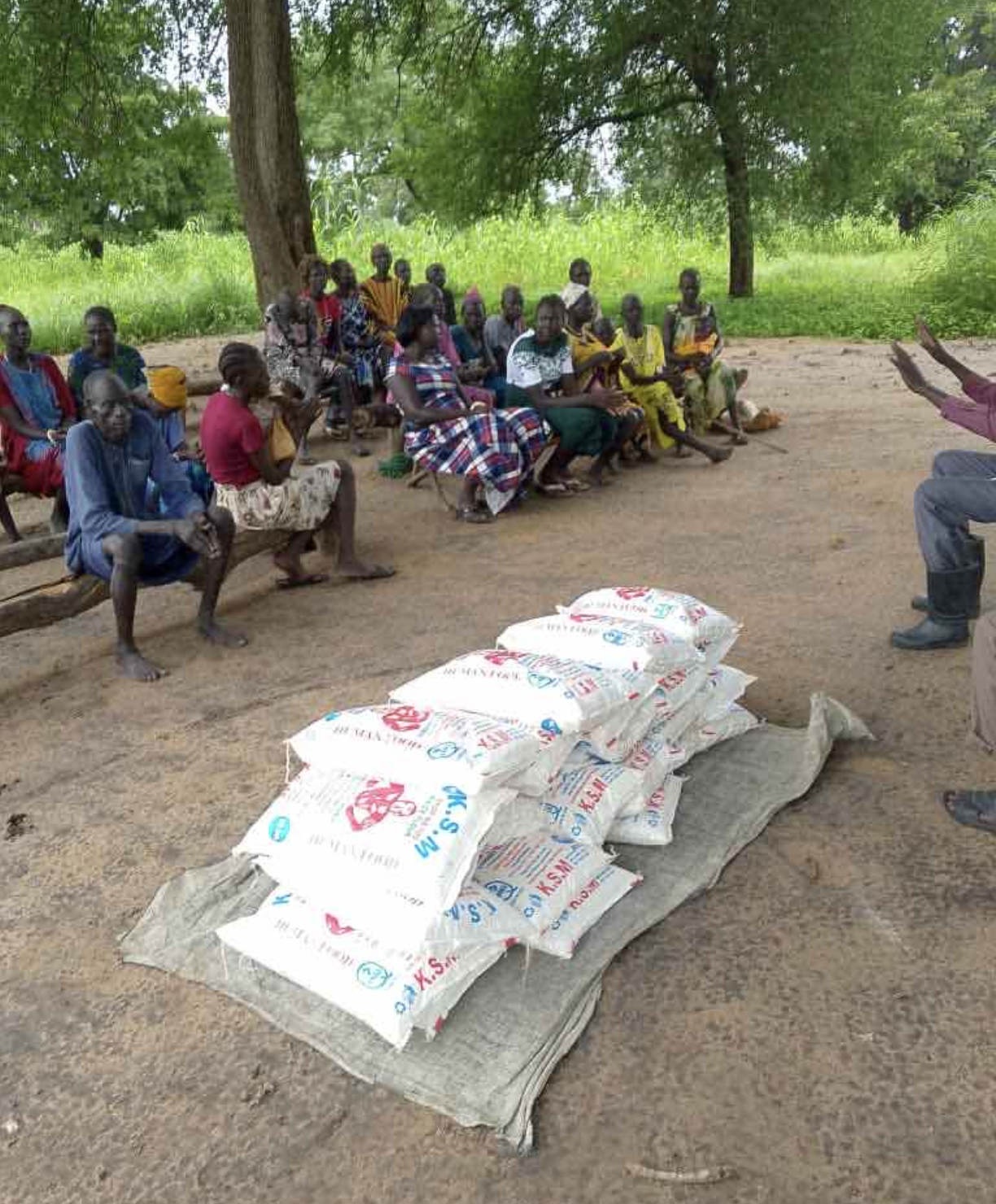
That is why Forest Meadow has opened up a secure path for donating funds for the purchase of food items. The funds are distributed specifically through the churches of the Rumbek Baptist Association. If you would like more information on what we are doing to alleviate hunger in S. Sudan, message Pastor Tim Ahlen. If you would like to donate now, go to this link .